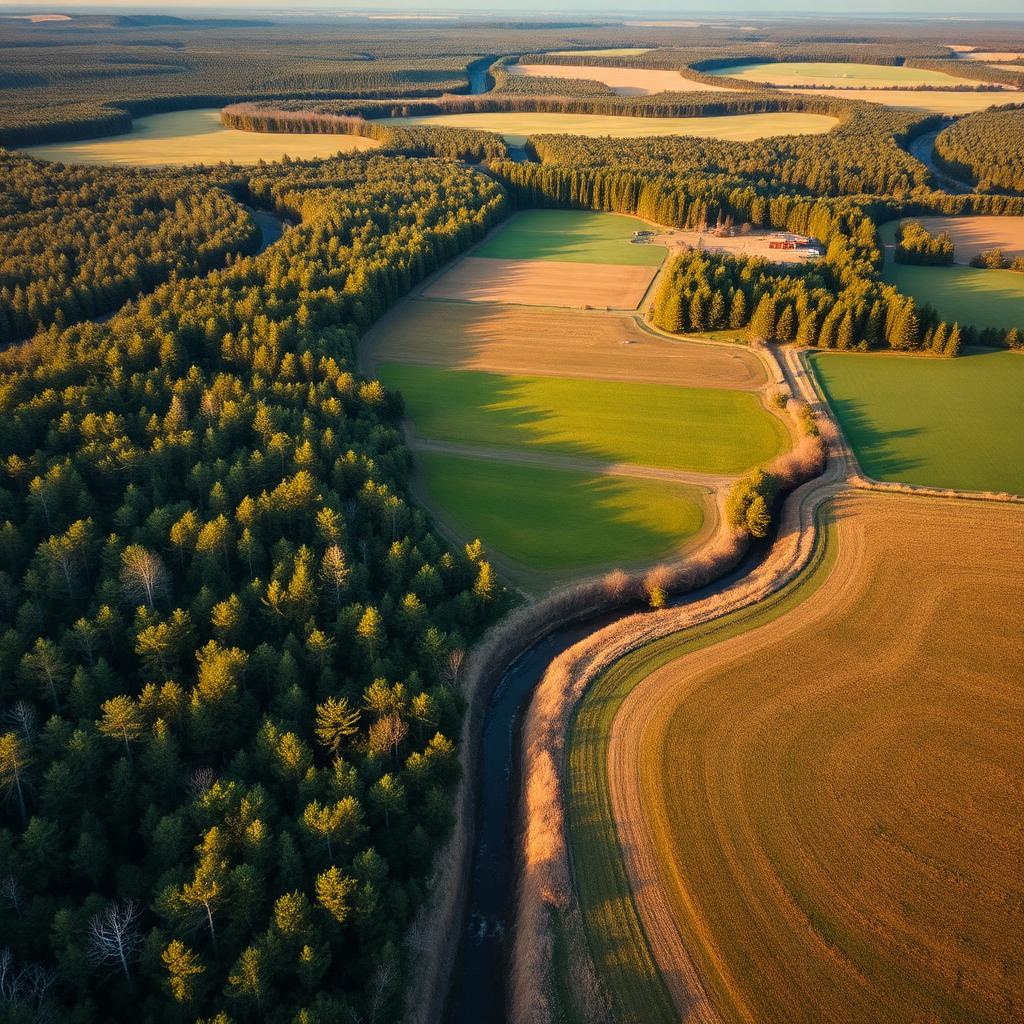
For many landowners, the value of rural property has traditionally been measured by crop production, timber harvests, cattle operations, or recreational use. Today, however, a growing number of landowner conservation programs are providing additional ways to generate income while protecting the long-term value of the land.
Whether you own productive farmland, timberland, recreational acreage, or a family farm that has been passed down for generations, conservation-based income opportunities may complement — not replace — your existing operation.
While these programs are not appropriate for every property, understanding how they work can help landowners make more informed decisions about the future of their investment.
What Are Landowner Conservation Programs?
Landowner conservation programs are voluntary initiatives that encourage private landowners to protect natural resources, improve wildlife habitat, enhance water quality, or manage forests sustainably. In return, some programs provide financial incentives, tax benefits, technical assistance, or annual payments.
Depending on your property's characteristics and your long-term goals, participation may provide another source of revenue while preserving the property's productive potential.
Common examples include:
- Carbon credit programs
- Conservation easements
- Wildlife habitat incentive programs
- Forest management initiatives
- Wetland restoration programs
- Stream and water quality improvement projects
Not every property qualifies, and each program has unique requirements, making professional guidance an important part of the evaluation process.
Carbon Credit Programs for Landowners
One of the fastest-growing areas of conservation is the development of carbon credit programs for landowners.
Trees naturally absorb carbon dioxide from the atmosphere and store it as they grow. Well-managed forests can therefore become part of carbon markets that allow businesses to offset a portion of their emissions by purchasing verified carbon credits.
Depending on the program, eligible landowners may receive compensation for maintaining or improving forest management practices that increase carbon storage.
Potential benefits include:
- Additional long-term income
- Improved forest management
- Diversified revenue streams
- Increased interest from institutional investors
However, carbon programs often involve long-term commitments, verification requirements, and contractual obligations. They should be evaluated carefully before enrollment.
Understanding Conservation Easements
A conservation easement is a voluntary legal agreement that limits certain types of future development while allowing the land to remain under private ownership.
For some families, conservation easements help preserve farms, timberland, and ranches for future generations while protecting natural resources.
Potential benefits may include:
- Preserving agricultural or timber uses
- Protecting family land from future development pressure
- Supporting estate planning goals
- Potential tax advantages in certain situations
Because conservation easements permanently affect property rights, they should only be considered after consultation with qualified legal, tax, and conservation professionals.
Wildlife Habitat Incentive Programs
Many rural properties already provide valuable habitat for wildlife.
Several conservation programs encourage landowners to improve habitat for species such as:
- Bobwhite quail
- Ducks and waterfowl
- Wild turkey
- White-tailed deer
- Pollinators
- Native songbirds
Projects may include:
- Prescribed burning
- Native grass restoration
- Wetland improvements
- Food plots
- Forest thinning
- Stream buffer enhancement
Some programs provide cost-sharing or financial assistance to offset improvement expenses.
For recreational landowners, these improvements may also increase hunting opportunities and overall property appeal.
Alternative Income Opportunities for Rural Landowners
One of the greatest advantages of conservation programs is that they can create alternative income from farmland or timberland without requiring additional acreage.
Depending on the property, landowners may generate revenue through:
- Sustainable timber production
- Hunting leases
- Recreational access
- Carbon credit participation
- Conservation incentives
- Select government programs
- Wildlife habitat improvements
Diversifying income sources can help reduce reliance on a single commodity or market.
Why Investors Are Paying Attention
Institutional investors, family offices, and high-net-worth buyers increasingly recognize that well-managed rural properties may offer more than appreciation alone.
Properties with strong stewardship practices may appeal to buyers who value:
- Long-term asset preservation
- Sustainable forest management
- Wildlife conservation
- Recreational opportunities
- Multiple potential income streams
Financing Conservation Improvements
Many conservation projects require upfront investment before benefits are realized.
Examples include:
- Timber stand improvements
- Road construction
- Drainage enhancements
- Water infrastructure
- Habitat restoration
- Reforestation
Rather than tying up significant cash reserves, many landowners choose to finance property improvements while preserving liquidity for future opportunities.
Strategic financing may also allow investors to purchase larger or higher-quality properties while maintaining capital for management, improvements, or additional acquisitions.
Every financing decision should be evaluated within the context of a property's income potential, investment objectives, and overall financial strategy.
Is Conservation Right for Every Property?
Not necessarily.
Every property has different characteristics, including:
- Soil quality
- Timber type
- Water resources
- Existing land use
- Wildlife habitat
- Local market conditions
- Long-term ownership goals
A conservation program that makes sense for one landowner may not be appropriate for another.
The best approach is to evaluate each opportunity alongside experienced forestry professionals, conservation specialists, attorneys, tax advisors, and agricultural lenders.
Frequently Asked Questions
Can I still harvest timber if I'm enrolled in a conservation program?
Some programs allow active forest management, while others restrict certain activities. Program requirements vary widely and should be reviewed carefully before enrollment.
Are carbon credits guaranteed income?
No. Carbon markets continue to evolve, and payment structures, eligibility requirements, and market demand vary by program.
Will a conservation easement reduce my property's value?
It depends. Easements generally restrict certain development rights, which can affect market value. However, they may also support long-term family, agricultural, or conservation objectives and could offer tax advantages in some situations.
Do all properties qualify for conservation incentives?
No. Eligibility depends on factors such as location, acreage, existing land use, habitat quality, and the specific program.
Final Thoughts
Today's rural landowners have more options than ever before to diversify income while protecting the long-term value of their property.
For some, conservation programs can complement traditional agricultural or timber operations by creating new revenue opportunities and supporting responsible land stewardship. For others, the greatest benefit may be preserving family land for future generations.
The key is understanding which opportunities align with your financial goals, management strategy, and long-term vision.
At FieldService Capital, we understand that every rural property is unique. Whether you're purchasing timberland, refinancing a farm, investing in recreational land, or evaluating improvements that could increase long-term value, we're here to help you explore financing solutions tailored to your objectives.
Ready to discuss your next land investment? Contact us today and let's start the conversation.