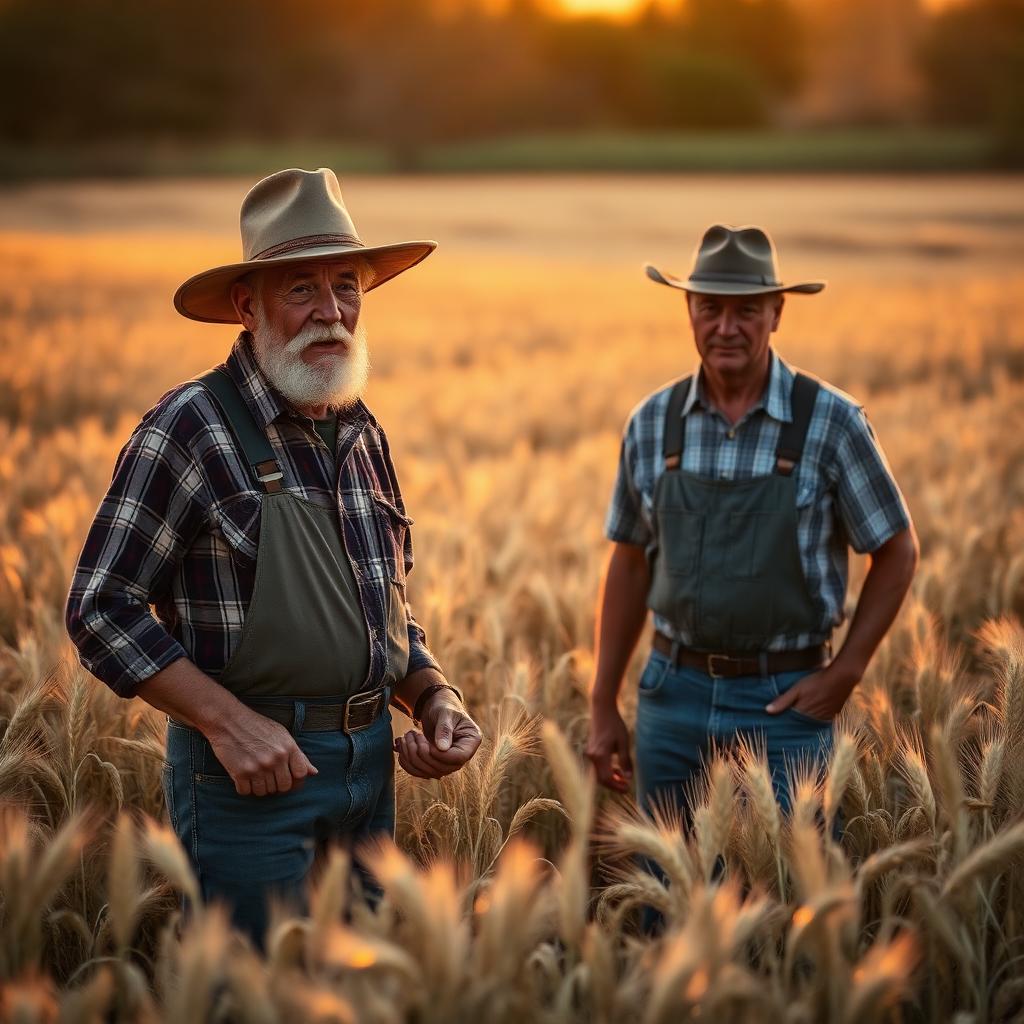
American agriculture faces a challenge that cannot be solved by producing more corn, buying larger equipment, or adopting better technology. The people who own and operate the nation's farms are getting older, and many agricultural operations do not have a clear plan for transferring ownership or management to the next generation. Farm succession planning — done early and done well — is the single most important step most family farms can take today.
According to the USDA's 2022 Census of Agriculture, the average age of an American farm producer was 58.1 years, an increase from 2017. Only about 9% of producers were under the age of 35. Beginning farmers — those with 10 years or less of farming experience — were younger, but still had an average age of 47.1.
These figures do not mean American agriculture is about to disappear. They do show that the industry must become more intentional about preparing new producers, transferring farm businesses, and helping younger farmers access land and capital.
Why an Aging Farm Population Matters
An experienced farmer represents much more than a person who owns acreage and equipment. That farmer may possess decades of knowledge about:
- Soil conditions
- Crop rotations
- Livestock health
- Local weather patterns
- Equipment maintenance
- Commodity marketing
- Farm finances
- Relationships with suppliers and lenders
When a farmer retires without a transition plan, much of that knowledge can be lost. The land may be sold to the highest bidder, divided among several heirs, converted to another use, or rented without a long-term management strategy. Even when the property remains in the family, the next generation may not have the capital, training, or authority needed to operate it successfully.
This creates two connected problems: experienced producers need a practical path toward retirement, and beginning farmers need a realistic path into ownership.
Solution 1: Begin Farm Succession Planning Earlier
Farm succession should not begin when the owner is ready to retire. Ideally, it should begin years before control of the operation must change. A farm succession plan should address more than who inherits the property. It should explain:
- Who will manage the farm
- Who will own the land
- How non-farming heirs will be treated
- How the retiring generation will receive income
- How debt and taxes will be handled
- How equipment, livestock, and operating assets will be transferred
- What happens if a family member dies, becomes disabled, or leaves the business
Beginning early allows a family to test the transition gradually. A successor can begin managing employees, making production decisions, reviewing financial statements, and working with lenders before assuming full responsibility. A written plan also reduces the risk that family members will have very different expectations about the future of the farm.
Solution 2: Separate Management Succession From Ownership Succession
A common mistake is assuming that ownership and management must transfer at the same time. They do not. A senior producer may gradually transfer operating responsibility while continuing to own the land. The next generation might lease the property, purchase equipment over time, or earn an ownership interest based on performance.
Possible arrangements include:
- Long-term agricultural leases
- Lease-to-own agreements
- Installment sales
- Gradual purchases of ownership interests
- Partnerships between generations
- Separate ownership of land and operating assets
- Management agreements with future purchase options
The right structure will depend on the family's finances, tax position, estate plan, and long-term goals.
Solution 3: Expand Access to Land for Beginning Farmers
Purchasing farmland is one of the greatest barriers confronting a beginning producer. Farmland values have increased substantially in many agricultural regions, while established farmers and investors often have more cash, collateral, and borrowing capacity than a new producer.
A more realistic entry strategy may include:
- Leasing land before purchasing it
- Custom farming for established owners
- Entering crop-share or livestock-share arrangements
- Managing land for an older producer
- Purchasing a smaller tract and leasing additional acreage
- Partnering with retiring farmers who do not have family successors
- Using purchase options or rights of first refusal
Communities could also develop land-link programs that introduce retiring landowners to qualified beginning farmers — helping preserve working farms while giving owners rental income or a gradual exit.
Solution 4: Improve Access to Patient Capital
Agriculture is capital intensive. A new producer may need financing for land, livestock, equipment, buildings, improvements, and annual operating expenses — yet often has limited collateral and a short operating history. Traditional underwriting standards remain important, but financing can be structured to reflect the realities of a transition.
Potential solutions include:
- Longer amortization periods for real estate
- Interest-only periods during startup or expansion
- Government-guaranteed financing
- Seller financing
- Subordinated family debt
- Shared-equity arrangements
- Graduated payment structures
- Partnerships with established producers
- Separate financing for land, equipment, and working capital
Young and beginning farmers should not be encouraged to take on more debt than an operation can support. Properly structured financing — including farm land loans and USDA OneRD guaranteed loans — can give a capable producer enough time to establish cash flow and build equity.
Solution 5: Create Formal Mentorship Arrangements
Agricultural knowledge is often transferred informally — a child grows up working beside a parent, or a new employee learns through years of experience. That model remains valuable, but not every beginning farmer comes from a farming family.
Formal mentorship programs could connect experienced farmers with new producers who need guidance in areas such as:
- Production management
- Financial planning
- Recordkeeping
- Crop insurance
- Commodity marketing
- Labor management
- Equipment purchasing
- Working with lenders
- Evaluating land
- Managing risk
Mentorship also benefits retiring producers by giving them a way to remain involved without carrying the full workload of operating the farm.
Solution 6: Strengthen Business and Financial Training
Knowing how to produce a crop or care for livestock is not the same as knowing how to manage a profitable agricultural business. Beginning farmers need practical education in:
- Cash-flow forecasting
- Cost-of-production analysis
- Balance sheets
- Debt-service capacity
- Working-capital management
- Income-tax planning
- Insurance
- Farm-program eligibility
- Estate planning
- Risk management
Training should be practical rather than purely academic. A new producer should understand how a lender evaluates a request, how much working capital the business needs, and how changes in yield, price, or input costs affect repayment ability.
Solution 7: Make Succession Planning a Normal Business Practice
Many families avoid succession discussions because they are uncomfortable. They may involve aging, death, control, money, sibling relationships, and questions about whether a child is capable of managing the farm. Avoiding the conversation does not eliminate those issues — it simply leaves them unresolved.
Succession planning should be treated the same as crop planning, equipment replacement, or annual budgeting: a normal responsibility of managing a farm business. One useful practice is an annual succession review covering:
- Current ownership
- Wills and trusts
- Life insurance
- Business entities
- Management responsibilities
- Long-term care needs
- Debt obligations
- Retirement-income expectations
- Interest from potential successors
- Contingency plans
Solution 8: Give the Next Generation Real Responsibility
A person cannot become prepared to run a farm if every meaningful decision remains with the senior owner. Potential successors should gradually participate in:
- Annual budgeting
- Meetings with lenders
- Crop and livestock planning
- Equipment decisions
- Hiring and supervision
- Marketing decisions
- Insurance reviews
- Capital-expenditure planning
- Negotiations with landlords
- Financial-performance reviews
Responsibility should be earned and supported by accountability. But the next generation needs the opportunity to make decisions — and sometimes manageable mistakes — before the senior operator is no longer available.
Solution 9: Protect Productive Agricultural Land
Succession becomes even more difficult when farmland is permanently removed from production. Communities can support agriculture through:
- Agricultural conservation easements
- Purchase-of-development-rights programs
- Thoughtful land-use planning
- Property-tax policies that recognize agricultural use
- Support for agricultural infrastructure
- Programs that match available land with working farmers
Preserving farmland does not, by itself, create a new generation of farmers. But without access to productive land, other efforts will have limited value.
Solution 10: Build Transitions That Work for Both Generations
The goal should not be to push older farmers out of agriculture. Many experienced producers want to continue working, remain connected to their land, and preserve what they built. At the same time, younger producers need room to build equity, make decisions, and create their own future.
The retiring generation may require:
- Reliable retirement income
- Housing
- Continued use of part of the property
- Protection from excessive financial risk
- Fair treatment of all heirs
- Confidence that the farm will be properly managed
The incoming generation may require:
- Affordable access to land
- Decision-making authority
- Adequate working capital
- A clear ownership path
- Reasonable debt payments
- Time to establish profitability
The strongest succession plans are designed around the financial needs of both generations rather than simply transferring property on paper.
The Opportunity Ahead
The demographics of American agriculture present a serious challenge, but they also create an opportunity. The USDA reported more than one million producers with 10 years or less of farming experience in the 2022 Census of Agriculture — an increase from 2017. People are still entering agriculture. The challenge is helping those producers survive, grow, and eventually assume ownership of viable farm businesses.
Addressing the issue will require more than one government program or financing product. It will require cooperation among farm families, lenders, attorneys, accountants, educators, landowners, and rural communities. The future of agriculture may depend on how successfully we build that bridge.
Financing the Next Generation of American Agriculture
Field Service Capital works with farm families, retiring producers, and beginning farmers to structure financing that fits real transitions — long amortizations for real estate, working-capital lines, USDA OneRD guaranteed loans, and jumbo agricultural loans for larger operations. Whether you are planning a family succession, buying your first farm, or expanding an existing operation, we can help you build a financing plan that supports both generations.
Request a confidential financing review with a specialist who understands agricultural transitions — and take the next step toward a farm succession plan that actually works.