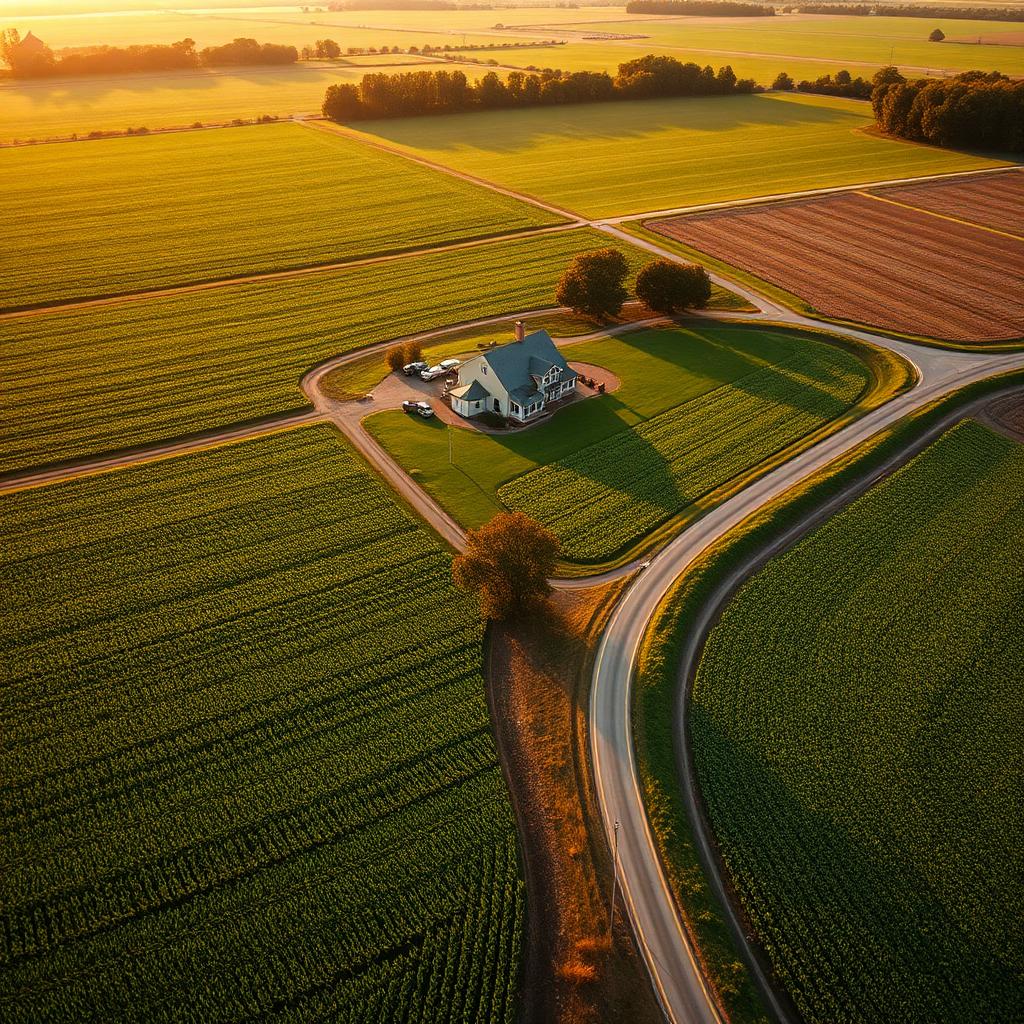
Buying farmland is one of the few investments that can generate income, preserve wealth, provide tax advantages, and appreciate over time. Whether you're an experienced producer, first-time buyer, investor, or someone looking to diversify your portfolio, purchasing agricultural land requires careful planning and thorough due diligence.
Unlike residential real estate, farmland has unique characteristics that influence both its value and its long-term profitability. Soil quality, water availability, access, zoning, conservation restrictions, and financing options all play a significant role in determining whether a property becomes an excellent investment — or an expensive mistake.
This guide walks through the advantages, disadvantages, and essential considerations before you buy farmland.
Why Buy Farmland?
For many investors, farmland has historically been viewed as a long-term tangible asset that performs differently from stocks and bonds. Productive agricultural land can provide several potential benefits.
Potential Appreciation
Quality farmland has often appreciated over long periods, although values can fluctuate depending on commodity prices, interest rates, regional demand, and local market conditions.
Income Potential
Depending on the property, farmland may generate income through:
- Cash rent
- Crop-share leases
- Timber harvesting
- Livestock grazing
- Hunting leases
- Solar or renewable energy agreements (where appropriate)
Not every property will support all of these uses, so evaluating realistic income opportunities is important.
Diversification
Many buyers include farmland as part of a diversified investment strategy because its performance is influenced by factors that may differ from traditional financial markets.
Pros of Buying Farmland
1. Tangible Asset
Unlike paper investments, farmland is a physical asset that can be managed, improved, or developed within applicable regulations.
2. Multiple Income Streams
A single property may support several revenue sources, depending on its characteristics. Examples include:
- Agricultural production
- Timber management
- Recreational leases
- Conservation programs
3. Inflation Considerations
Land values and agricultural products have, at times, responded differently to inflation than many financial assets. While past performance does not guarantee future results, some investors consider farmland as part of a broader strategy.
4. Tax Planning Opportunities
Depending on your situation and local laws, farmland ownership may offer tax planning opportunities. Buyers should always consult a qualified tax professional regarding their specific circumstances.
Cons of Buying Farmland
Every investment has risks. Before purchasing farmland, consider the following:
High Initial Investment
Agricultural real estate often requires a significant down payment and closing costs.
Weather Risk
Droughts, floods, hurricanes, and other weather events can affect productivity and property value.
Commodity Price Volatility
Farm income may be influenced by changing prices for crops, livestock, timber, or other agricultural products.
Limited Liquidity
Selling farmland generally takes longer than selling many financial investments.
Ongoing Management
Land ownership involves responsibilities such as maintenance, taxes, insurance, and compliance with applicable regulations.
What to Evaluate Before You Buy Farmland
Soil Quality
Productive soil is one of the most valuable characteristics of agricultural land. Review:
- Soil classifications
- Productivity indexes
- Drainage
- Erosion history
- Organic matter
Water Availability
Reliable water access is often essential. Evaluate:
- Wells
- Irrigation systems
- Surface water rights (where applicable)
- Drainage
Access
Legal access is critical. Confirm:
- Recorded easements
- Road frontage
- Maintenance responsibilities
Existing Improvements
Inspect all improvements carefully, including:
- Homes
- Barns
- Grain bins
- Irrigation equipment
- Fencing
- Wells
- Utility infrastructure
Understand the Local Market
Before purchasing, compare:
- Recent land sales
- Average price per acre
- Rental rates
- Crop yields
- Local demand
- Nearby development
Understanding local market conditions helps determine whether the asking price is reasonable.
Financing Your Farmland Purchase
Many buyers assume farmland financing works exactly like residential mortgages. It doesn't.
Agricultural real estate financing often considers:
- Property type
- Intended use
- Borrower experience
- Down payment
- Cash flow
- Collateral
- Loan-to-value ratio
Working with professionals who understand agricultural lending — including farm land loans, broader agricultural financing, and USDA OneRD financing — can help identify options that fit your goals. A quick loan prequalification and a run through a farm loan calculator can also help you frame realistic numbers before you make an offer.
Questions Every Buyer Should Ask
Before making an offer, ask:
- Is the property surveyed?
- Are there title issues?
- Are mineral or timber rights included?
- Are conservation easements in place?
- Has the property experienced flooding?
- What are the annual property taxes?
- Are there environmental concerns?
- Are existing leases transferable?
- Are utilities available?
- What improvements will be needed?
Common Mistakes Buyers Make
Many buyers focus only on the purchase price. Instead, consider the total cost of ownership. Common mistakes include:
- Skipping due diligence
- Ignoring drainage issues
- Overlooking access rights
- Underestimating improvement costs
- Failing to understand zoning
- Choosing financing based only on interest rate
- Not planning for long-term ownership
Is Buying Farmland Right for You?
Buying farmland can be an excellent long-term investment for the right buyer. Whether your goal is agricultural production, timber management, recreation, or portfolio diversification, careful planning is essential.
The best purchases begin with a clear understanding of the property's capabilities, realistic financial expectations, and thorough due diligence before closing.
Frequently Asked Questions
Is buying farmland a good investment?
Farmland has historically been considered a long-term tangible asset that can appreciate over time and generate income through rents, crops, timber, and other uses. Like any investment, results depend on the property, market conditions, management, and financing structure.
How much down payment do I need to buy farmland?
Down payment requirements vary by lender and program, but agricultural real estate loans commonly require 20–35% down. Larger, lower-leverage transactions with life insurance lenders may require more equity, while some government-supported programs allow lower down payments for qualified borrowers.
Can I buy farmland through an LLC?
Yes. Many buyers hold farmland in an LLC or other entity for liability, estate planning, or partnership reasons. Lenders will typically underwrite the entity, its owners, and personal guarantors together. Consult your attorney and tax advisor before choosing an ownership structure.
How do farm land loans work?
Farm land loans typically amortize over 20–30 years and reprice, reset, or balloon at 5, 7, 10, or 15 years. Lenders underwrite the land (soils, water, productivity, location), the borrower (credit, balance sheet, experience), and the cash flow (rents, crop history, commodity assumptions).
What credit score is needed to buy farmland?
Most agricultural lenders prefer FICO scores in the 700s, along with a strong balance sheet and reasonable debt-service coverage. Some programs and specialty capital providers can accommodate lower scores, especially with additional collateral or a strong operating history.
Final Thoughts
If you're considering buying farmland, take the time to evaluate the property beyond its appearance. Understanding soil, water, access, improvements, financing, and long-term ownership costs can help you make a more informed decision.
Need Financing to Buy Farmland?
Whether you're purchasing your first farm, expanding your operation, investing in agricultural real estate, or refinancing existing property, Field Service Capital helps connect qualified borrowers with financing solutions tailored to agricultural and rural properties. Contact us today to discuss your project and explore financing options for your farmland purchase.