There was a time when people joked that a land loan was approved with nothing more than a firm handshake across the hood of a pickup truck. While that image makes for a great story, the reality of land lending today is very different — and, honestly, that's a good thing.
Modern land lending is one of the most specialized areas of commercial real estate finance. Whether you're purchasing a working farm, timberland, a cattle ranch, recreational acreage, hunting property, or land for long-term investment, financing rural real estate requires a very different approach than buying a home. If you understand how land lenders actually evaluate a property, you'll often find opportunities that traditional borrowers completely miss.
Why Land Lending Is Different From a Home Mortgage
Unlike residential mortgages, land doesn't produce monthly paychecks simply because it exists. A land lender has to evaluate how a property creates value — not just today, but over many years. Depending on the tract, that value may come from:
- Agricultural production
- Timber harvesting
- Cattle grazing
- Recreational income
- Future development potential
- Conservation programs
- Long-term appreciation
Each property tells a different financial story. That's why land loans typically require considerably more analysis than a standard residential mortgage — and why working with a lender who understands rural land matters.
Every Acre Is Different
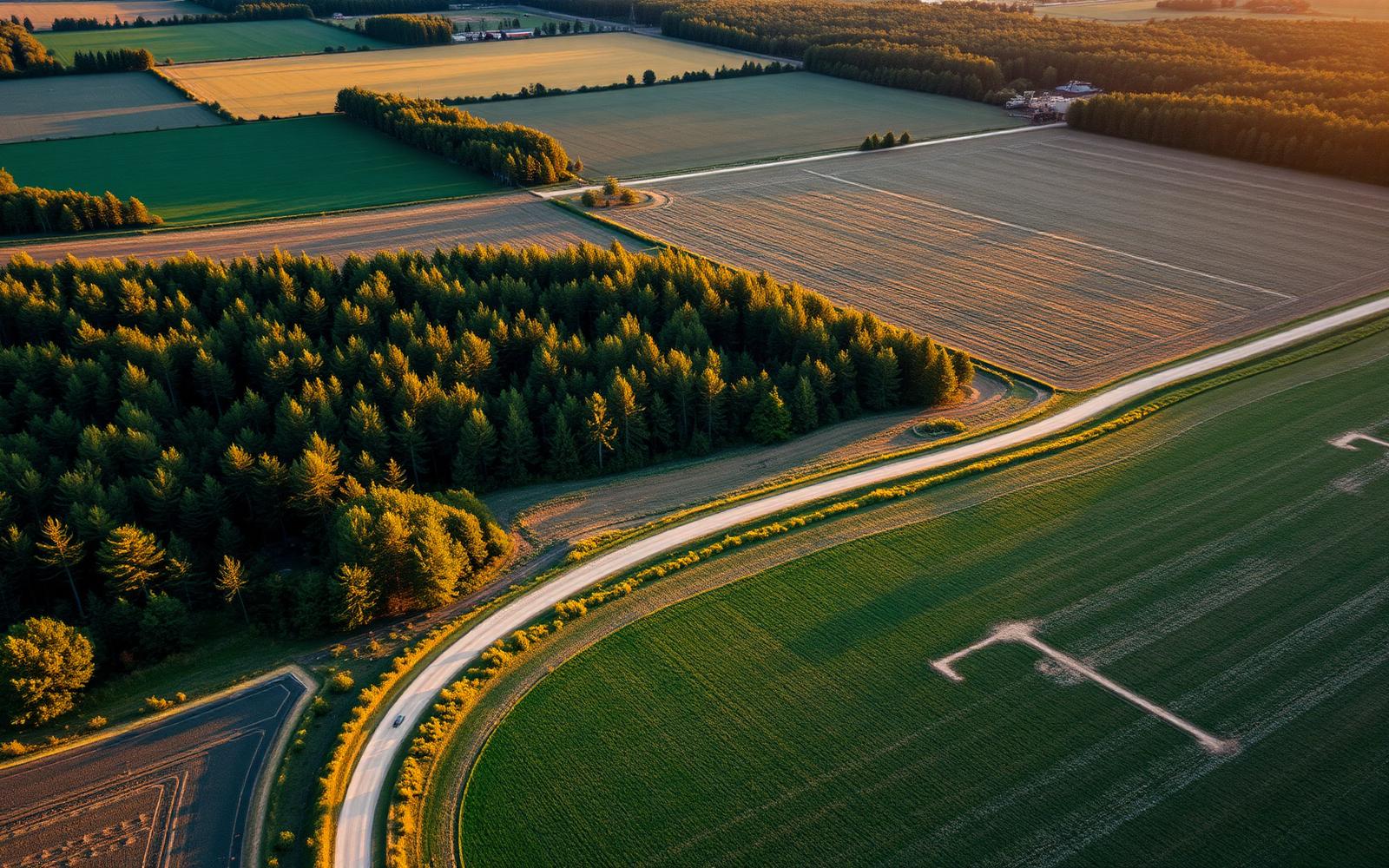
One hundred acres in one county may be worth twice as much as one hundred acres somewhere else. Why? Because land lenders evaluate far more than raw acreage. Common factors include:
- Soil quality
- Crop history
- Water availability
- Road frontage
- Easements
- Topography
- Timber inventory
- Wildlife habitat
- Existing improvements
- Local market demand
Two properties that appear identical on paper may have dramatically different lending characteristics once a lender digs in.
Land Loans Don't Fit Into One Box
One of the biggest misconceptions borrowers have is thinking all land loans are basically the same. They aren't. Different types of land require different underwriting approaches — and the right land loan often depends on what you plan to do with the property.
Agricultural Land Loans
Farmland financing often focuses on:
- Farm income
- Cash flow
- Operating history
- Commodity markets
- Equipment needs
- Expansion plans
These loans frequently involve experienced agricultural lenders who understand farming operations — not just real estate.
Timberland Financing
Timberland is unique because the collateral literally grows over time. Professional timberland lenders often consider timber species, age classes, harvest schedules, timber cruise reports, sustainable management practices, and future harvest income. Well-managed timberland can become an attractive long-term investment with multiple income streams.
Recreational & Hunting Property Loans
Many recreational properties produce little or no annual income. Instead, lenders may evaluate location, market demand, accessibility, recreational appeal, and future resale potential. Financing recreational land requires a lender who understands rural real estate markets rather than suburban housing trends.
Investment Land Financing
Some buyers purchase land simply because they believe it will appreciate over time. Investment land lending often considers regional growth, infrastructure improvements, market trends, exit strategy, borrower liquidity, and overall financial strength.
What Land Lenders Actually Want to See
Borrowers sometimes assume approval depends entirely on their credit score. Credit certainly matters — but it's only one piece of the puzzle. Experienced land lenders also evaluate:
- Financial strength
- Cash flow
- Down payment
- Debt service coverage
- Liquidity
- Net worth
- Property quality
- Appraised value
- Management experience
- Purpose of the loan
The stronger the overall picture, the more land financing options may become available to you.
Why a Specialized Land Lender Matters
Most banks primarily finance residential homes and commercial buildings. Land financing is different. A lender who understands agriculture, timber, ranching, and rural investment properties can often structure financing more effectively because they recognize the unique characteristics that make rural properties valuable. That expertise can save borrowers significant time — and sometimes open financing opportunities that general lenders overlook entirely.
Planning Ahead Makes a Real Difference
One of the smartest things prospective borrowers can do is begin discussions before they sign a purchase contract. Early planning allows borrowers to:
- Understand financing options
- Review potential loan structures
- Estimate required equity
- Identify documentation needed
- Avoid unnecessary delays
- Strengthen negotiating position
Being prepared often leads to a smoother closing — and better terms.
Frequently Asked Questions About Land Lending
Can I finance vacant land?
Yes. Many lenders finance vacant land, although underwriting standards are typically different from residential mortgages and down payment requirements are often higher.
Is financing farmland easier than financing recreational land?
Not necessarily. Each property type has its own underwriting considerations depending on the intended use, income potential, and borrower qualifications.
How much down payment is required for a land loan?
Down payment requirements vary depending on the property type, borrower strength, loan program, and lender guidelines. Rural land loans generally require more equity than a home mortgage.
Do I need farming experience to get a farm land loan?
Not always. Some loan programs value experience, while others focus more heavily on the overall financial profile and business plan.
Start the Conversation With a Specialized Land Lender
Every land purchase is different. Whether you're buying farmland, timberland, a ranch, recreational acreage, or investment property, the best financing strategy begins with understanding your goals — not forcing your project into a one-size-fits-all loan.
Field Service Capital specializes in helping borrowers navigate the unique world of land lending with practical guidance, thoughtful structuring, and financing solutions tailored to rural real estate — from $250,000 to $50 million+ nationwide. If you're ready to discuss your project, we'd welcome the opportunity to learn about your property, answer your questions, and explore financing options that fit your goals. Request a confidential financing review and take the next step toward the right land loan for your acreage.