Buying land can be one of the best investments you'll ever make — or one of the most expensive mistakes. Unlike purchasing an existing home, vacant land often comes with hidden challenges that aren't immediately obvious. A beautiful property at a great price can turn into a financial nightmare if you discover you can't build, access it legally, or obtain utilities.
Whether you're buying agricultural land, timberland, hunting property, recreational acreage, a future homesite, or commercial development land, doing your homework beforehand can save you tens or even hundreds of thousands of dollars. Here are the 20 biggest land deal killers every buyer should investigate before closing.
1. Is the property landlocked?
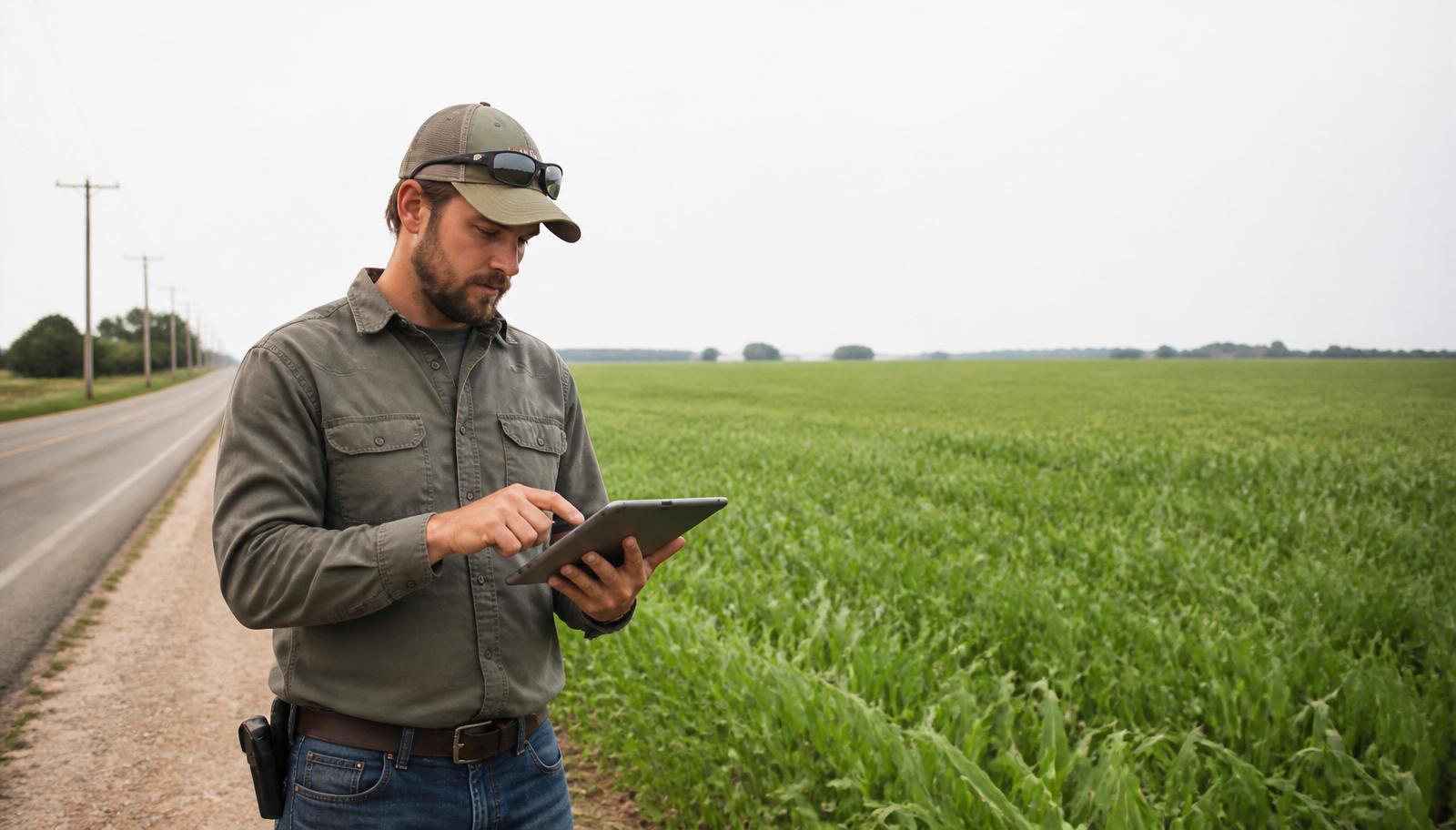
One of the biggest surprises buyers encounter is discovering they legally cannot access their own property. Just because you can physically drive to it doesn't mean you have a legal right to.
- Recorded easements
- Deeded access
- A survey showing legal ingress and egress
Without legal access, financing becomes much more difficult and resale value can drop significantly.
2. Can you get a septic permit?
If public sewer isn't available, you'll likely need an approved septic system — and some soils simply won't support one. Before purchasing, obtain a soil evaluation, verify prior septic approvals, and contact the local health department. No septic approval may mean you cannot build a home.
3. Is water available?
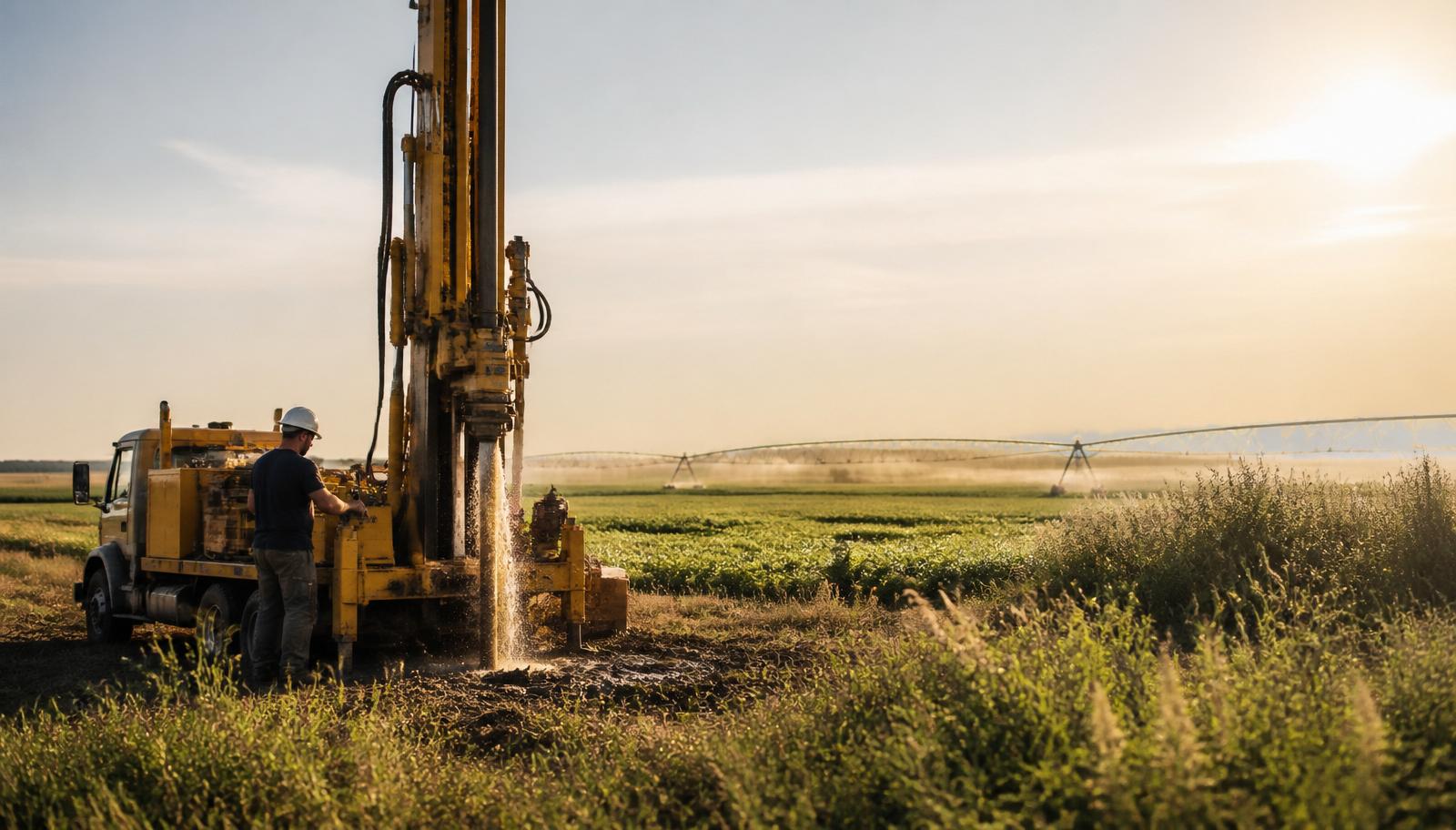
Many rural properties rely on wells, and not every location produces enough water. Research nearby well depths, average production, water quality, and drilling costs. A deep or low-producing well can add tens of thousands of dollars to your project.
4. Who owns the water rights?
In some western states, owning the land doesn't automatically mean you own the right to use the water. Water rights can determine irrigation, livestock operations, residential use, and agricultural production. This issue is especially important for farms and ranches.
5. Is there an HOA?
Many acreage developments have homeowners associations. Before buying, review building restrictions, livestock rules, RV restrictions, hunting policies, and architectural requirements. What seems like a rural paradise may come with unexpected rules.
6. Does the zoning allow your intended use?
Never assume you can use the property however you'd like. Check zoning for residential, agricultural, commercial, industrial, or mixed-use — and always confirm your intended use is permitted.
7. Is there a legal building site?
Even if you own 100 acres, there may only be one approved location where construction is allowed. Ask about setbacks, environmental restrictions, floodplain limitations, and minimum lot requirements.
8. Is any part of the property in a flood zone?
Flood maps change over time. Use FEMA flood maps and local planning offices to determine floodplain location, insurance requirements, and building limitations. Flood insurance can dramatically increase ownership costs.
9. Are there protected wetlands?
Wetlands are heavily regulated. You may be prohibited from filling, building, clearing, or draining them. A wetlands determination may be necessary before purchasing.
10. Are the slopes too steep?
Beautiful mountain property can become extremely expensive to develop. Steep terrain often requires extensive grading, retaining walls, specialized foundations, and longer driveways. Construction costs can quickly exceed expectations.
11. Is electricity nearby?
Power isn't always close. Extending electrical service can cost thousands — or even tens of thousands — of dollars depending on the distance. Always ask the local utility company for an estimate.
12. What will utility hookups cost?
Beyond electricity, consider water, sewer, internet, natural gas, and telephone. Utility installation is one of the most commonly underestimated development expenses.
13. Is high-speed internet available?
Today's buyers expect reliable internet. Check availability from fiber, cable, wireless, and satellite providers. Limited internet can affect resale value and remote work opportunities.
14. Is cell service reliable?
Visit the property with multiple carriers if possible. Poor reception can affect emergency communication, remote work, GPS navigation, and security systems.
15. Are there hidden easements?
Utility companies, pipelines, neighbors, or government agencies may have easements across the property. Review the title commitment, survey, and recorded plats. Some easements permanently limit how portions of the land can be used.
16. Are there property line disputes?
Never rely solely on existing fences. Order a professional survey if boundaries are unclear, neighboring improvements are close, or the acreage is significant. Boundary disputes can become costly legal battles.
17. Who owns the mineral rights?
In many states, mineral rights may have been sold decades ago. That means another party could potentially have rights to oil, gas, minerals, or gravel. Always ask whether mineral rights convey with the property.
18. Is the soil suitable?
Poor soils can impact farming, foundations, septic systems, and drainage. Agricultural buyers should also review soil productivity maps, historical yields, and USDA soil classifications. Healthy soil often translates into higher long-term value.
19. Is the property in a high wildfire risk area?
Some regions have significantly higher wildfire exposure, which may impact insurance premiums, building requirements, financing, and long-term risk. Ask local fire officials about the area's wildfire history.
20. Who owns the driveway?
One of the easiest issues to overlook is driveway ownership. If the driveway crosses someone else's property, you'll want a recorded access easement, maintenance agreements, and clear legal documentation. Never assume long-term use equals legal ownership.
Bonus tips for rural land buyers
Before making an offer, it's also wise to investigate:
- Current property taxes
- Existing agricultural exemptions
- Timber value
- Conservation easements
- Existing leases (farm, hunting, solar, or mineral)
- Environmental concerns
- Road maintenance responsibilities
- Local development plans
- Utility expansion projects
- Future resale potential
Financing matters too
Many buyers focus exclusively on finding the right property but overlook financing until the last minute. The truth is that different types of land require different financing solutions. Raw land, farmland, timberland, recreational property, and rural commercial properties often have unique lending requirements. Working with a lender who understands agricultural and rural real estate can help you structure financing that fits your long-term goals and avoid surprises during the underwriting process.
Final thoughts
Buying land isn't just about finding beautiful acreage — it's about identifying hidden risks before they become expensive problems. Taking the time to verify access, utilities, zoning, environmental conditions, and legal rights can save you years of frustration and potentially hundreds of thousands of dollars.
Need financing for rural property?
Whether you're purchasing farmland, timberland, hunting property, recreational acreage, or a rural commercial property, Field Service Capital specializes in connecting borrowers with financing solutions designed specifically for rural America. From traditional agricultural loans to larger capital solutions for qualifying projects, we can help you explore financing options that fit your property's unique needs.